
The Institute for Outdoor Learning (IOL) recognises that its guidance on outdoor first aid training sits beneath the statutory requirements set by the Health and Safety Executive (HSE) and the Department for Education (DfE) for Emergency First Aid at Work (EFAW), First Aid at Work (FAW), Emergency Paediatric First Aid (EPFA) and Paediatric First Aid (PFA). Remote First Aid highly recommends that outdoor instructors enrol on the Three-day Emergency Care Responder (ECR) course, which is recognised by the Health and Safety Executive (HSE) as an equivalent qualification to First Aid at Work (FAW). This comprehensive Three‑day programme provides a wide range of practical skills, equipping those who work in remote or challenging environments with the competence and confidence to manage serious incidents until professional help arrives in remote and austere settings.
This article was first published in 2020 (updated 2024). It has been reviewed and further updated to reflect the RCUK Guideline changes announced in October 2025, enacted from January 2026.
Outdoor instructors holding a relevant outdoor first aid certificate (usually two-day attendance) are expected to complete an annual first aid refresher update, in line with HSE recommendations. These short, yearly sessions are designed to help instructors maintain competence, confidence, and good practice between full requalification courses — and to provide space to review any incidents they may have managed.
In reality, however, attendance at annual refresher training offered by Remote First Aid across the outdoor sector has remained consistently low since 2020, compared to their other client groups. Unlike industries such as construction, rail, transport, and warehousing — where annual refreshers are routine and often contractually required, especially to tier one businesses — very few outdoor instructors complete this recommended training with Remote First Aid, but do return in year 3 to renew. The result is a widening gap between best practice and actual practice, with implications for safety, professionalism, and sector credibility.
This isn’t due to a lack of professional care. More often, it reflects the structure of the sector:
- Many outdoor instructors operate as freelancers or sole traders.
- Employers and activity providers typically accept a valid certificate as sufficient for due diligence from freelancers, as it’s the minimum standard.
- Because annual refreshers are strongly recommended rather than mandatory, they are frequently overlooked in a freelancer’s CPD cycle.
It is generally accepted that the following sectors are consistently strongest at H&S compliance due to greater oversight and more regulation:
- Nuclear & Energy Mandatory
- Aviation Mandatory
- Healthcare is mandatory in some settings
- Construction Tier One contractors
- Transport Professional Drivers CPC needs
It is generally accepted that the following sectors provide at best the minimum standards at H&S compliance due to less oversight:
- Small businesses (more reliant on freelancers or contractor workers, includes outdoor sector)
- The Self-Employed (reactive rather than proactive around H&S)
- Hospitality & Retail (high turnover of staff, younger workers such as students or older staff, such as retirees)
- Social care, domiciliary & small residential settings
- Education is more reactive than proactive around inspection
The result is a skills gap fade that the IOL and HSE address by recommending that instructors with certificates which remain “in date,” but whose practical confidence and recall may have faded — especially for low-frequency, high‑stakes skills such as severe bleeding, CPR, or incident management in remote settings attend.
Remote First Aid addresses and therefor support the many issues around low intensity high impact activies, including supporting the IOL & HSE guidelines in providing outdoor providers relevant annual refresher training opportunities, either at their venues or joining Remote First Aid at its venues.
Evidence‑Based Priorities for Outdoor Instructors and Adventure Enthusiasts
Remote First Aid aligns its training with current evidence, sector research, and real‑world incident data. Looking at the patterns emerging across outdoor activities — from hillwalking and paddlesports to climbing, mountain biking, and expedition leadership — a clear set of priorities consistently stands out.
These are the skills that outdoor instructors and adventure enthusiasts most often need to refresh, practise, and keep sharp:

1. Severe Bleeding & Major Trauma
Evidence shows that rapid recognition and immediate intervention (tourniquets, haemostatic dressings, pressure application) dramatically improves outcomes. 78% of all calls to Mountain Rescue E&W in 2024 were made after midday.
High‑impact falls, equipment failures, and remote terrain increase the risk of severe bleeding.
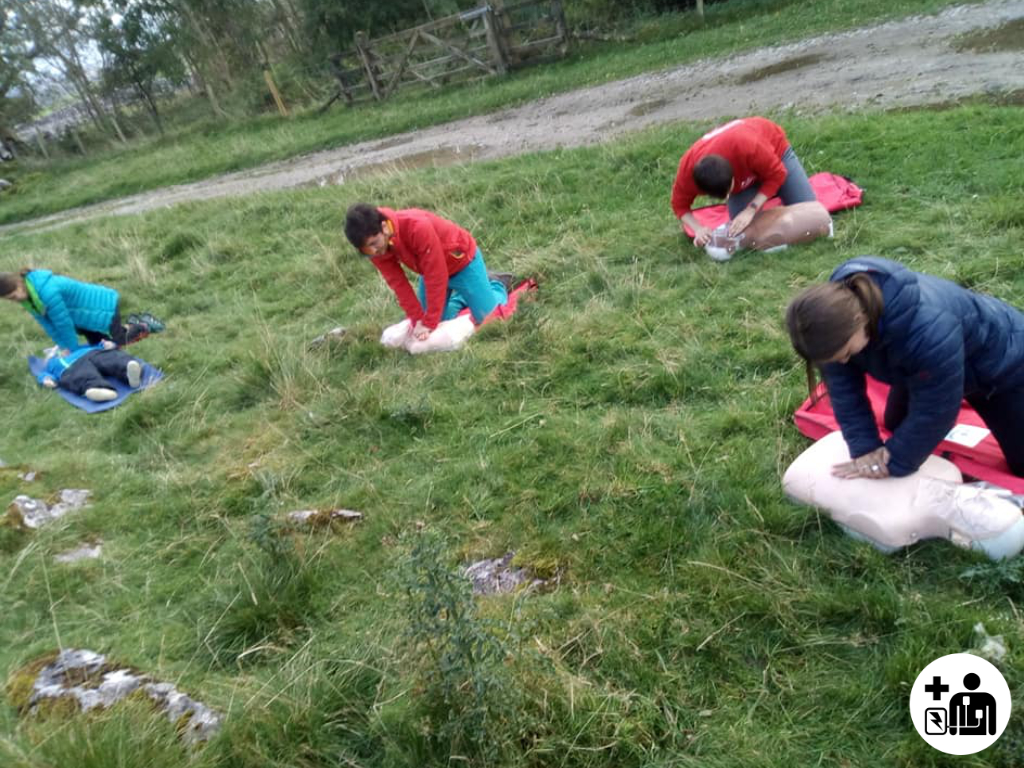
2. CPR & AED Use in Remote Environments
Skills degrade quickly without practice, and outdoor settings introduce additional challenges: delayed help, uneven ground, cold environments, and limited equipment.
Cardiac arrest remains a low‑frequency but high‑consequence event.
3. Airway Management & Breathing Assessment
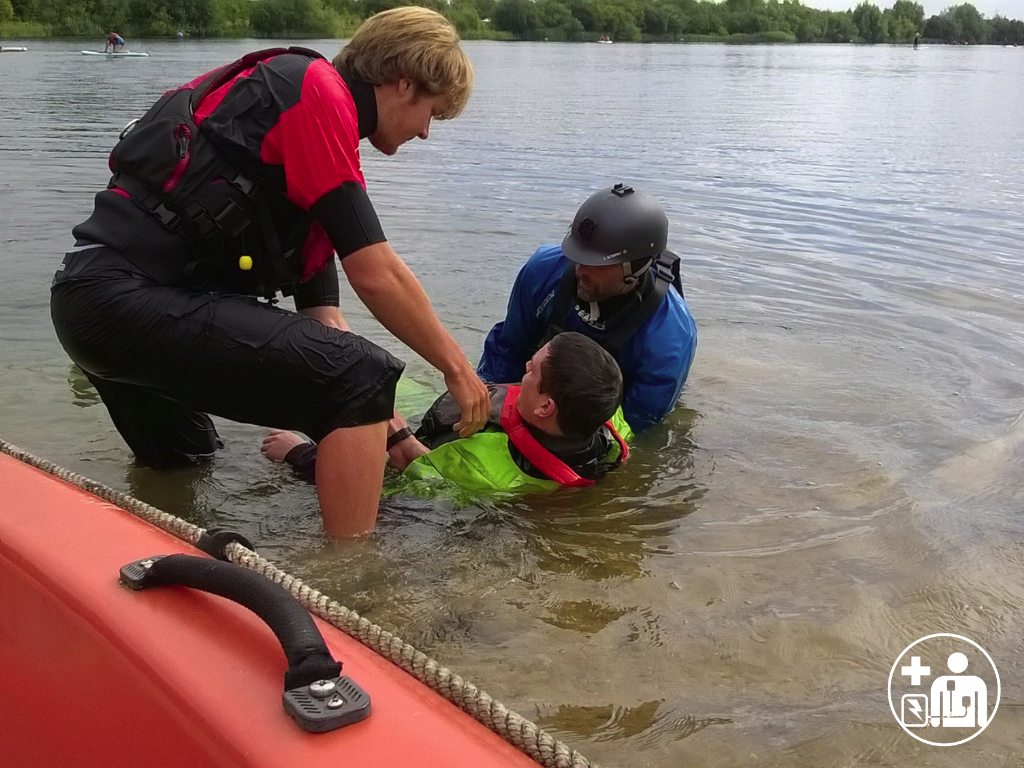
Simple, well‑practised airway techniques save lives long before advanced help arrives.
Outdoor incidents often involve unconscious casualties, choking risks (occlusion by the tongue or vomit), or compromised breathing following falls or immersion.
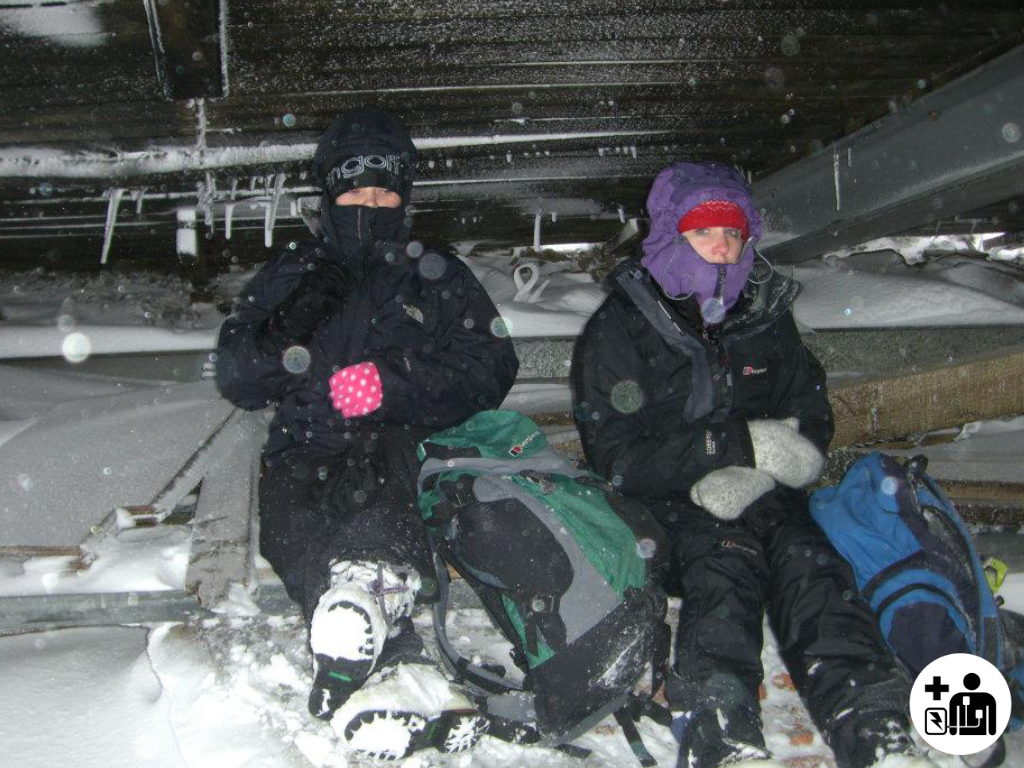
4. Hypothermia, Cold Shock & Environmental Exposure
Understanding early signs, prevention strategies, and practical rewarming techniques is essential.
Weather remains one of the most common complicating factors in UK outdoor incidents linked to all casualties & group members.
5. Fractures, Sprains & Musculoskeletal Injuries
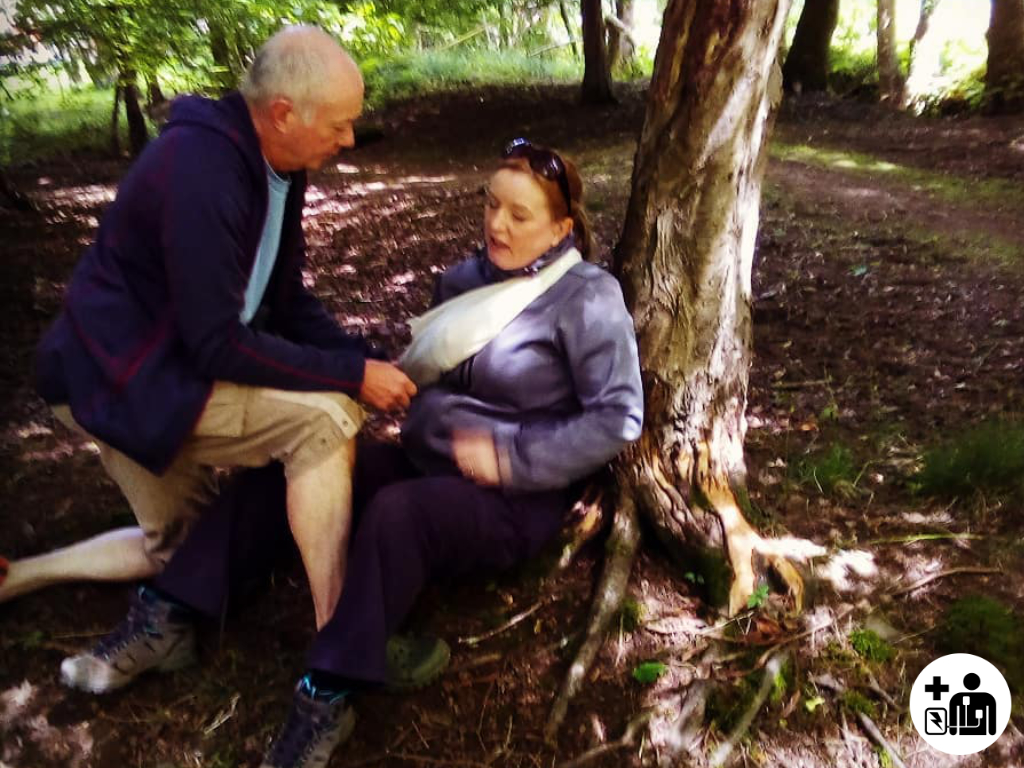
Evidence shows that instructors who regularly refresh splinting, immobilisation, and pain‑management strategies respond more confidently and effectively. 23% of all callouts in England and Wales in 2024 were to slips & falls, causing injuries.
These are the bread‑and‑butter incidents in outdoor settings.
6. Incident Management & Decision‑Making
Outdoor instructors benefit from practising communication, delegation, and dynamic risk assessment under pressure.
Research across emergency services highlights that scene leadership and structured thinking are as important as technical skills.

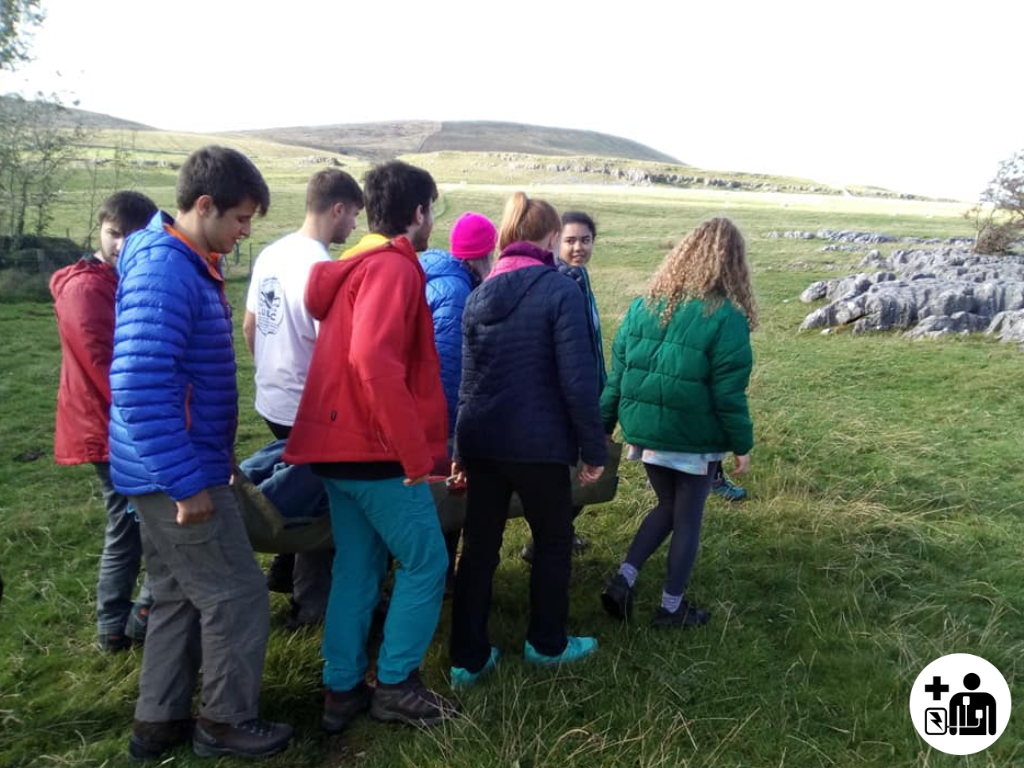
7. Remote Communication & Evacuation Planning
Regular refreshers help instructors stay current with best practices for contacting emergency services, using grid references, and planning safe evacuations.
Many incidents escalate because of delays in calling for help or unclear information passed to rescue teams when under pressure.
Evidence-Based Support Reading & References
- MREW rescue stats revealed | OS 2024
- Overview | Major trauma: assessment and initial management | Guidance | NICE
- Special Circumstances Guidelines | Resuscitation Council UK 2025
- Non-fatal injuries – HSE Education, including Outdoor Education, sits at number 8 in the top ten sectors where major injuries occur at work.
- Outdoor First Aid
- Hypothermia Prevention Products | THERMARMOUR
- Guidelines for essential trauma care, World Health Organisation
- British Heart Foundation. Out-of-hospital cardiac arrest statistics
- Upper airways obstruction | British Journal of Sports Medicine
- Clinical Staging of Accidental Hypothermia
- First Aid Guidelines | Resuscitation Council UK 2025
- Human Factors and Ergonomics Under Stress – HSE
- Baby It’s Cold Outside (BICO)