
Why Supporting Mental Health is Essential for Outdoor Practitioners within a trauma-aware framework
In the great outdoors, safety has always been the top priority. Outdoor practitioners are trained to manage injuries, navigate hazards, and make sound decisions under pressure. Yet one of the most significant risks leaders now face isn’t a twisted ankle or a sudden change in weather—it’s the quiet, often unseen challenge of mental distress.
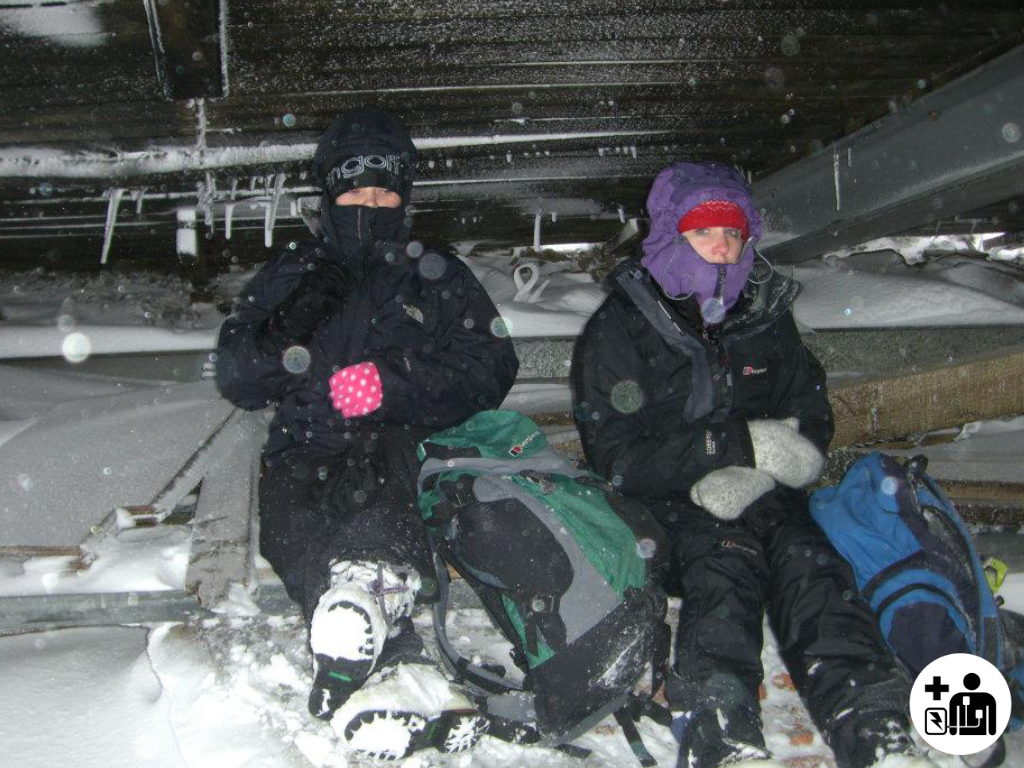
As awareness of mental health grows across society, it’s becoming clear that outdoor environments bring their own unique pressures. Remote settings, physical exertion, group dynamics, and exposure to the elements can amplify emotions and vulnerabilities. Leaders and coaches who feel confident treating a fracture may feel far less certain when someone in their group becomes overwhelmed, panicked, withdrawn, or distressed.
The sector is now recognising that mental health competence is not an optional extra—it’s an essential part of safe practice.
Why mental health matters in outdoor environments
Outdoor spaces can be profoundly therapeutic, offering calm, connection, and perspective. But they can also surface difficult emotions. Fatigue, fear, isolation, and unfamiliar environments can trigger anxiety or exacerbate existing conditions. For some participants, the outdoors is a place of challenge and growth; for others, it can be a catalyst for distress.
Leaders are increasingly encountering situations such as:
- A participant experiencing a panic attack on a ridge or in a confined space.
- Someone becomes withdrawn or dissociative during a long expedition.
- A group member disclosing personal struggles or trauma.
- Conflict or emotional overwhelm arising from group dynamics.
- A participant whose behaviour becomes unpredictable or unsafe.
These moments require calm, clarity, and confidence—just like any physical first aid scenario.
The gap between physical and mental preparedness
Outdoor practitioners undergo rigorous training in navigation, rope work, paddle strokes, risk assessment, casualty care, and environmental awareness. But historically, mental health has been treated as separate—something to be “aware of” rather than something to manage actively as a leader.
This gap creates three challenges:
- Uncertainty — Leaders may worry about saying the wrong thing or making the situation worse.
- Inconsistency — Responses vary widely depending on personal experience rather than shared best practice.
- Risk — Poorly managed mental distress can escalate into safety-critical situations for the individual and the group.
Just as physical first aid gives leaders a structured approach, outdoor mental health frameworks offer the same reassurance: a clear, practical way to respond.
What an effective mental health response looks like outdoors
Supporting someone in distress doesn’t require being a therapist. It requires being present, compassionate, and structured. Outdoor leaders benefit from approaches that help them:
- Recognise early signs of distress before they escalate.
- Create psychological safety within the group.
- Use grounding and de-escalation techniques appropriate to the environment.
- Balance individual needs with group safety.
- Make informed decisions about continuing, adapting, or ending an activity.
- Plan for follow-up support once back in a safe environment.
These skills mirror physical first aid: assess, stabilise, support, and hand over to appropriate care.
Building confidence through training
The outdoor sector is now embracing mental health training designed specifically for remote and adventurous settings. These programmes acknowledge the realities practitioners face: limited resources, environmental constraints, and the need to act quickly and compassionately.
Training helps leaders:
- Understand how mental health challenges present in outdoor contexts.
- Practise conversations and interventions in realistic scenarios.
- Build confidence in responding without overstepping professional boundaries.
- Strengthen group management and communication skills.
- Embed mental well-being into planning, risk assessments, and debriefs.
The result is safer, more inclusive, and more supportive outdoor experiences for everyone.
A more holistic approach to outdoor leadership
The outdoors has always been about more than physical challenge. It’s about connection, resilience, and personal growth. When leaders are equipped to support both the physical and mental well-being of their groups, they create environments where people can thrive.
Recognising mental health as part of safety isn’t a shift away from traditional outdoor skills—it’s an evolution. It reflects the reality of modern practice and the needs of diverse participants. And it ensures that the outdoors remains a place where people feel supported, understood, and safe.
Pete Cook: Four Decades of Leadership in the Outdoors
Pete Cook brings over 40 years of experience in the outdoor sector, holding a wide range of National Governing Body awards in mountaineering and climbing. His career has spanned teaching Outdoor Education at Swindon College, leading adventure training for young people across Snowdonia and the Brecon Beacons with Swindon Council, and a decade as the Climbing Wall Maker at the Ridge Climbing Centre. Pete’s depth of technical expertise, combined with decades of real-world leadership in challenging environments, underpins his commitment to developing practitioners who are confident, capable, and compassionate—both physically and mentally. Within these roles, Pete also used his skills in Pre-Hospital Care, gained from his early Military role in the RAF as a Combat Medical Technician, and NHS Ambulance Associate in frontline services. Pete holds a Diploma in Mental Health First Aid, alongside his other clinical skills and will be actively found in the hills of the UK or on his local crags in South Wales. Pete not only delivers the above course but heads up Remote First Aid’s team of Mental Health practitioners, who deliver a suite of mental health qualifications.