
Did you know?
The HSE estimates employers report only around half of the non-fatal injuries they should under RIDDOR.
There were 680,000 self-reported injuries, against 59,000 reportable under RIDDOR.
Winter Site Safety Checklist: Why Preparing Early Protects Your Workforce
Winter catches out the sites that only start planning when temperatures begin to fall. The most successful construction companies understand that effective winter preparation starts long before December arrives, helping to reduce risks, maintain productivity, and protect workers from seasonal hazards.
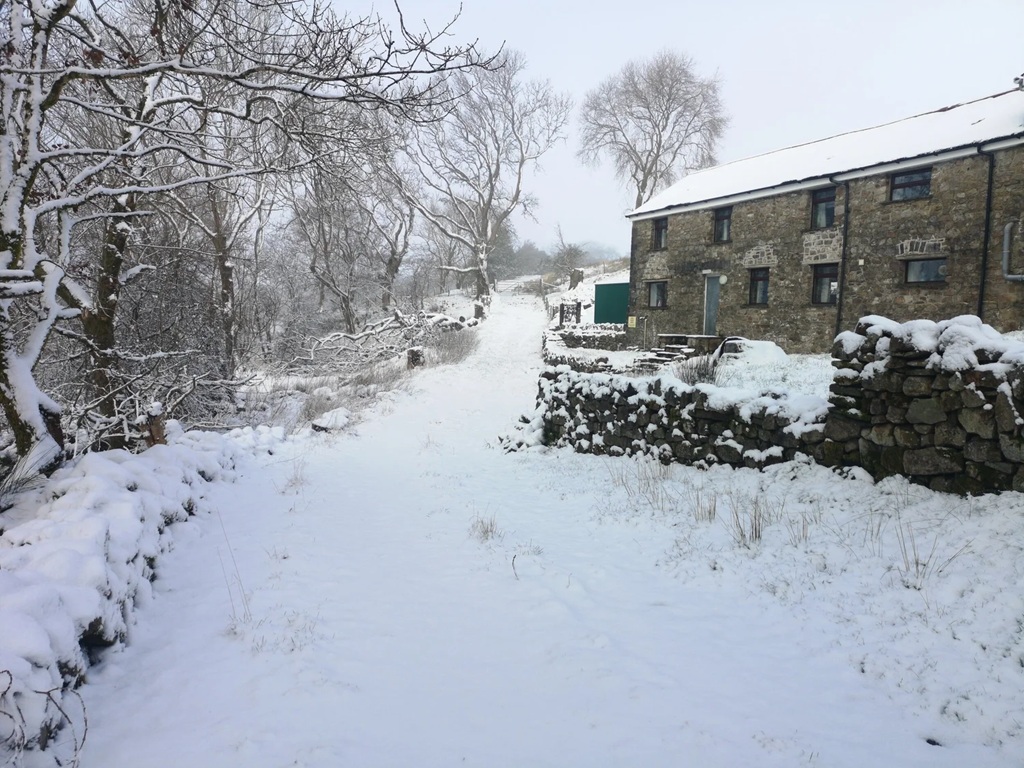
As cold weather returns, construction sites, transport hubs, warehousing depots, agricultural centres across the UK face increased challenges from ice, snow, freezing temperatures, poor visibility, and hazardous ground conditions. Slips, trips and falls typically rise during the winter months, making workplace health and safety more important than ever. Employers who invest in robust safety management, staff training, and preventative measures are better placed to keep projects moving while protecting their workforce.
Why Winter Construction Safety Matters
Construction remains one of the UK’s highest-risk industries, and winter conditions can significantly increase workplace hazards. Untreated ground, icy pathways, frozen access routes, and wet working areas can quickly turn a safe site into a dangerous environment.
Consequently, site managers and supervisors must adopt a proactive approach rather than reacting to severe weather after it arrives. Effective planning not only helps prevent accidents but also demonstrates a strong commitment to workplace health and safety standards. Those site managers and suppervisors who have succefully completed the HABC Level 4 Health & Safety in the Workplace course and supported by their organisation, will be able to run safe sites.
The Ultimate Winter Checklist | Inspect and Winterise Equipment
Before winter’s icy grip takes hold, every piece of equipment should undergo a thorough inspection. Batteries, tyres, fluids, lighting systems, and safety mechanisms should all be checked to ensure reliable operation during colder conditions.
Furthermore, preventative maintenance helps reduce costly downtime and equipment failures when projects are already facing weather-related pressures. Properly winterised machinery performs more efficiently and supports safer working conditions throughout the season. The HSE reports despite ongoing efforts to improve safety, agriculture remains a high-risk sector, with approximately one worker killed every week. Beyond the immeasurable human cost to families, colleagues and communities, each fatal incident is estimated to incur investigation costs of around £1 million as also reported.
Secure your Site/s
Strong winds and heavy snowfall can cause significant damage when materials and equipment are not secured correctly. Loose items can become dangerous projectiles, creating unnecessary risks for workers and members of the public. The HSE reports that 104 members of the public were killed from april 2025 to March 2026 by work operations.
Therefore, employers should ensure that materials are stored safely, fencing is secure, and temporary structures are inspected regularly. Taking these precautions early can prevent expensive disruptions later.
Develop a Snow and Ice Management Plan
The British weather is notoriously unpredictable, which means every construction site should have a clear snow and ice management strategy in place.
This plan should include:
- Gritting schedules for walkways and access routes
- Designated snow clearance responsibilities
- Emergency weather procedures
- Alternative access arrangements
- Vehicle movement controls during severe weather
- Working from home arrangements
- Welfare checks on off-site staff
As a result, sites remain accessible, safer, and more productive during winter weather events.
Protect Workers Throughout the Winter Months | Monitor Weather Conditions
Winter weather can change rapidly, and site conditions can deteriorate within hours. Managers should regularly review weather forecasts and communicate any risks to their teams before work begins.
Dynamic risk assessments should be continually reviewed and amended as conditions change, helping employers maintain a safe working environment and control emerging risks. These arrangements can be monitored and supported from the Weather and climate change – Met Office.
Provide Appropriate Warm Clothing and Shelter
Workers exposed to cold temperatures face increased risks of fatigue, reduced concentration, and cold-related illnesses. Consequently, employers should ensure staff have access to suitable personal protective equipment, winter clothing, and heated welfare facilities.
Providing warm areas for breaks not only supports worker wellbeing but also improves morale and productivity during challenging weather conditions. Consider how to keep any injured person and the first aiders warm, if treating a ill or injured worker in the winter conditions. The First Aid Pod UK & EU is ideal to protect the ill or injured person and your respondiong first aiders.
In addition, consideration should be given to how the area will be illuminated, particularly in poor visibility or low-light conditions, to ensure hazards can be identified and managed safely. Essentials ARW1032-N Rechargeable LED Work Light 950lm – Screwfix
Schedule Regular Warm-Up Breaks
Frequent breaks allow workers to recover from prolonged exposure to cold conditions. During these breaks, employees can warm up, rehydrate, and maintain safe body temperatures.
In addition, regular recovery periods help reduce the likelihood of fatigue-related errors and accidents on site.
Stay Vigilant Around Ice and Snow
Slips, trips and falls remain one of the leading causes of workplace injuries during winter. Ice-covered walkways, uneven frozen ground, wet surfaces, and snow-covered obstacles all present significant hazards.
Therefore, work teams should:
- Wear appropriate footwear with adequate grip
- issue ice cleats / boot grippers
- Treat walkways and access routes regularly
- Report hazards immediately
- Follow designated pedestrian routes
- Maintain good housekeeping standards
By taking these precautions, businesses can significantly reduce preventable injuries during the colder months.
First Aid Readiness Is Essential During Winter
As winter hazards increase, ensuring adequate first aid provision becomes even more important. Accidents can occur despite the best preventative measures, making skilled first aiders a vital part of any workplace safety strategy.
First Aid at Work Training
A First Aid at Work Course provides designated first aiders with the knowledge and practical skills needed to respond confidently during workplace emergencies. From treating fractures and head injuries to managing medical emergencies, trained first aiders can make a significant difference while waiting for emergency services.
Remote First Aid delivers accredited First Aid at Work training designed to help organisations meet their first aid responsibilities and improve workplace safety culture.
Annual First Aider Refresher Training
The Health and Safety Executive (HSE) recommends that qualified first aiders attend annual refresher training to maintain confidence, update skills, and remain familiar with current best practice.
Regular refresher training helps first aiders remain prepared for emergencies and reinforces critical lifesaving techniques that may not be used frequently.
Emergency First Responder Courses
For organisations operating in higher-risk environments, Emergency First Responder Courses provide advanced emergency response capabilities. These programmes equip personnel with enhanced skills for dealing with serious incidents, making them particularly valuable within construction, engineering, utilities, and industrial settings.
By developing stronger emergency preparedness, organisations demonstrate a proactive commitment to protecting their workforce.
Fire Safety Should Not Be Forgotten During Winter
Winter often brings increased fire risks due to temporary heating solutions, additional electrical equipment, and adverse weather conditions.
Consequently, employers should ensure staff receive suitable fire safety education and understand emergency procedures. Online Fire Safety Courses provide a flexible and cost-effective way of improving workforce awareness while helping organisations meet their health and safety obligations.
Training staff to identify fire hazards, understand evacuation procedures, and respond appropriately during emergencies strengthens overall workplace resilience.
Strengthening Health and Safety Leadership
Effective winter safety requires more than daily checks and seasonal planning. Strong leadership from supervisors and managers is essential to maintaining safe standards across construction sites.
Remote First Aid delivers the HABC Level 4 Award in Health and Safety in the Workplace, a nationally recognised qualification designed to support managers, supervisors, and those responsible for health and safety compliance.
This advanced course helps delegates:
- Understand legal responsibilities
- Improve workplace safety culture
- Conduct effective risk assessments
- Investigate incidents and near misses
- Develop practical safety management strategies
- Promote continuous improvement across organisations
As a result, managers gain the confidence and competence required to lead health and safety performance throughout the year, not just during winter.
Keep Your Site Safe This Winter
Winter construction presents unique challenges; however, with careful planning, effective leadership, and the right training, organisations can maintain safe and productive worksites throughout the season.
By addressing hazards before temperatures drop, investing in First Aid at Work training, ensuring annual first aider refresher training, developing Emergency First Responders, and improving fire safety awareness, businesses can significantly reduce risk while protecting their most valuable asset, their people.
Remote First Aid supports organisations across the UK with accredited first aid, health and safety, emergency response, and fire safety training solutions designed to keep workplaces compliant, confident, and prepared for every season.
Full HSE statistics can be read at Non-fatal injuries at work in Great Britain – HSE