
Why aesthetic emergencies matter in modern practice
This article explores the most serious aesthetic emergencies that practitioners should be able to recognise, assess and respond to promptly.
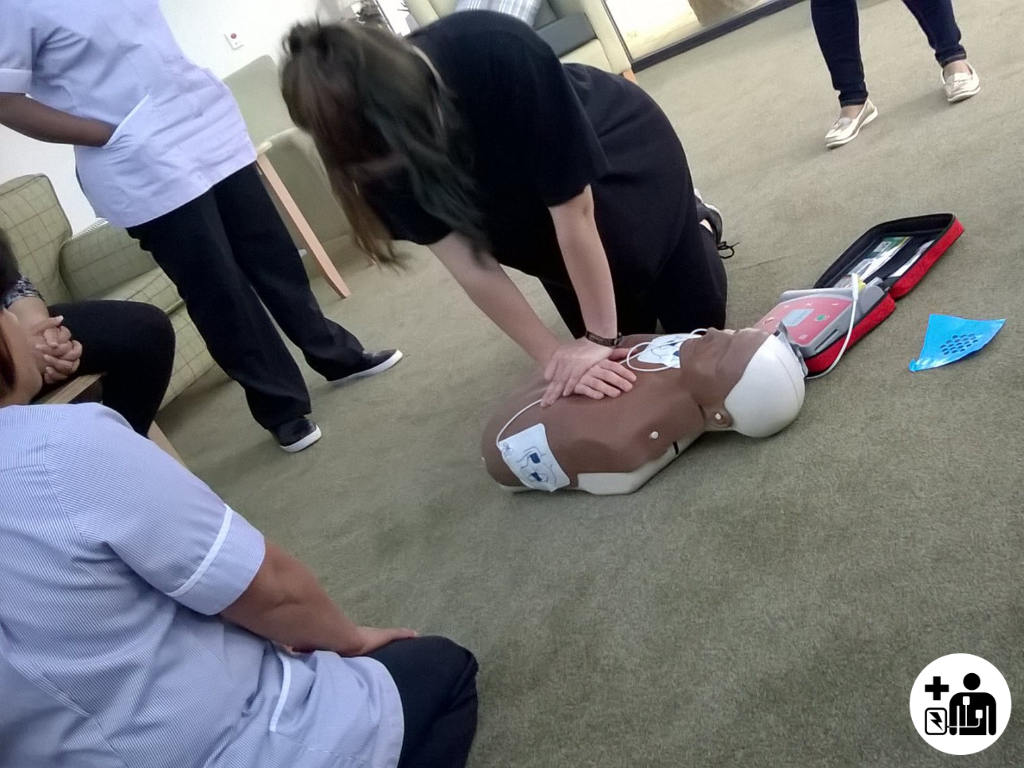
The rise in non‑surgical treatments means more practitioners are working with products and techniques that can cause acute complications. Even when performed correctly, events such as vascular occlusion, anaphylaxis, toxin-related complications, or severe skin reactions can occur without warning. The real differentiator is not whether complications happen, but whether the practitioner can recognise them early and intervene decisively.
Core emergencies practitioners must be prepared for
- Vascular occlusion — Often subtle at first, presenting with disproportionate pain, blanching, livedo, or delayed capillary refill. Rapid recognition and immediate action are essential to prevent tissue loss.
- Anaphylaxis — Rare but life‑threatening. Practitioners must be able to identify airway, breathing, and circulatory compromise and administer adrenaline promptly while arranging emergency support.
- Compromised vision or suspected retinal artery occlusion — A true time‑critical emergency requiring immediate cessation of treatment, urgent ophthalmology referral, and supportive measures.
- Infection and biofilm formation — Early signs may be mistaken for normal post‑treatment inflammation. Escalation pathways and clear aftercare instructions are vital.
- Toxin‑related complications — Including dysphagia, breathing difficulty, or systemic symptoms that require urgent medical assessment.
- Severe skin reactions — Such as necrosis, angioedema, or unexpected blistering following energy‑based or injectable treatments.
What competent emergency response looks like
A practitioner’s response should be grounded in three pillars:
- Preparedness — Up‑to‑date training, a stocked and checked emergency kit, clear protocols, and regular rehearsal of scenarios.
- Recognition — Understanding early warning signs, differentiating normal post‑treatment responses from red flags, and using structured assessment (e.g., airway–breathing–circulation, capillary refill, pain assessment).
- Action — Implementing evidence‑based interventions within scope of practice, escalating appropriately, and documenting thoroughly.
The wider professional context
Regulators, insurers, and training bodies increasingly expect practitioners to demonstrate competence in managing complications, not just performing treatments. Clients also assume that anyone offering injectables or advanced skin therapies can respond effectively if something goes wrong. This makes emergency preparedness a core component of safe, ethical aesthetic practice — not an optional extra.