
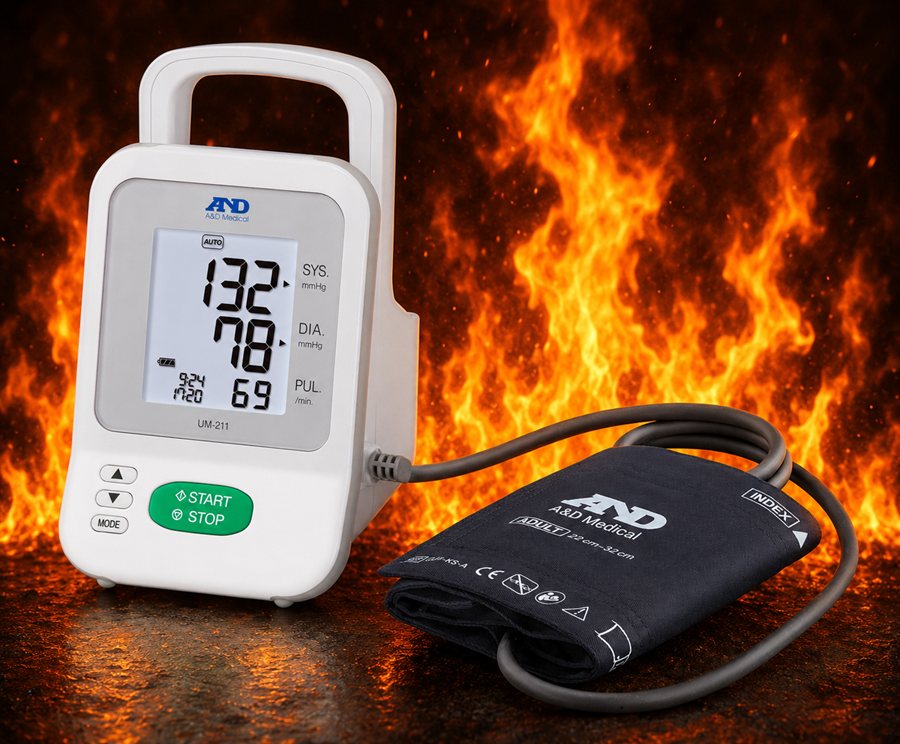
As temperatures rise, so does the risk of blood pressure fluctuations, particularly in older adults and those with cardiovascular conditions
How Heat Can Affect Blood Pressure
Hot weather can cause blood vessels to dilate, potentially leading to lower blood pressure, dizziness, or fainting. Dehydration and high humidity can further increase cardiovascular strain and contribute to blood pressure changes.
Many patients with diagnosed blood pressure problems may not recognise the link between heat exposure and symptoms such as light-headedness, fatigue, or weakness, making education and regular monitoring important during warmer months.
What can you do for self-care
- Continue to take regular home blood pressure readings during periods of hot weather.
- Ensure you use clinically validated devices for accurate readings.
- Be aware of the signs of heat-related hypotension, dehydration, and heat exhaustion.
- It is important to stay hydrated and seek medical advice if you feel unwell at any time.